
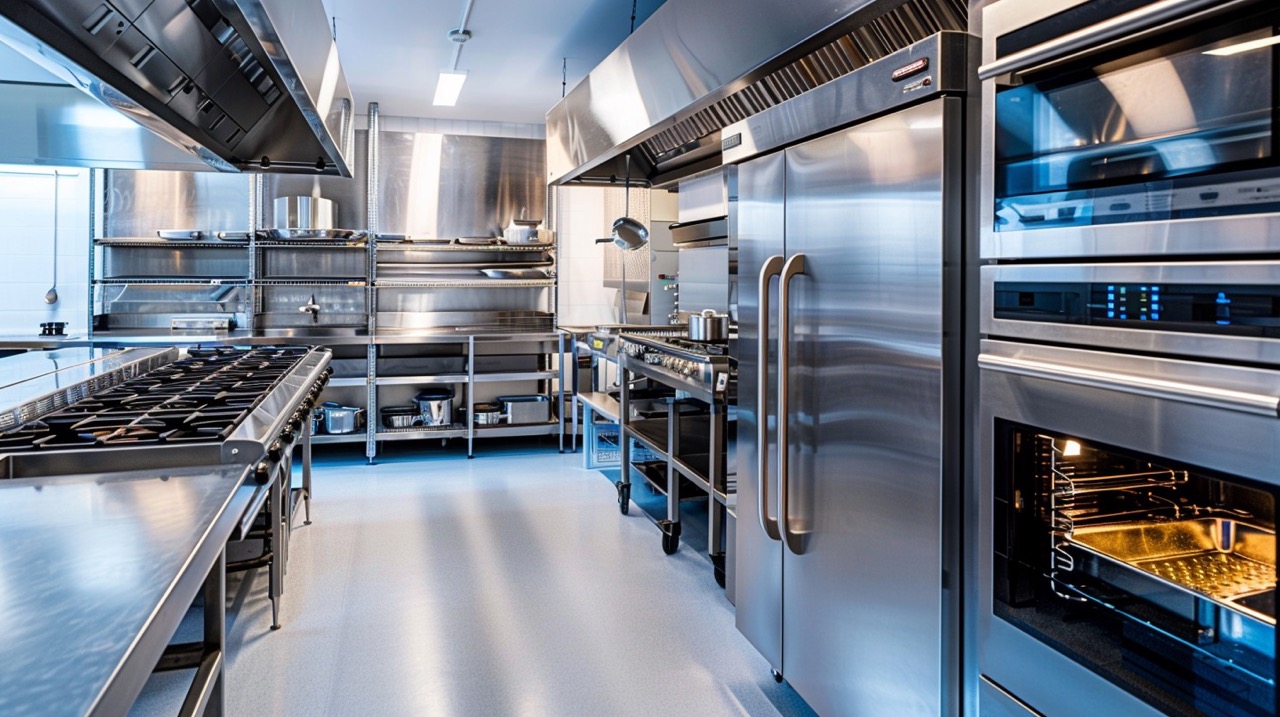
There’s a moment in almost every hospitality project where things feel exciting… full of potential… and just a little bit chaotic. You’ve got ideas, inspiration, maybe a Pinterest board or two. The menu is coming together. The space is starting to take shape.
And then - somewhere between design, approvals, equipment, and installation - things get more complicated than expected.
Not because anyone’s doing the wrong thing… but because there are a lot of moving parts. And when they don’t quite line up, the costs can add up quickly.
Let’s walk through some of the most common (and expensive) mistakes we see, and how to avoid them.
1. Designing the space before understanding the equipment
This is one of the biggest ones.
It’s very easy to design a beautiful space first… and then try to fit the kitchen into what’s left.
But commercial kitchens don’t work like that.
Equipment has very specific requirements; clearances, ventilation, power, workflow. When these aren’t considered early, it often leads to redesigns, delays, or compromises that affect how the kitchen actually functions day-to-day.
We suggest:
Start with how the kitchen needs to work, then design around it - not the other way around.
2. Underestimating services (power, gas, ventilation)
On paper, everything fits.
In reality… the power load isn’t enough, the gas connection needs upgrading, or the ventilation doesn’t meet compliance.
These are the kinds of surprises that don’t just cost money — they slow everything down.
We suggest:
Have your equipment and services considered together early in the process, not as separate conversations.
3. Buying equipment too early (or too late)
This one swings both ways.
Buy too early, and you risk:
-
storing equipment onsite (and potentially damaging itt
-
ordering items that don’t end up fitting the final layout
Leave it too late, and you risk:
-
long lead times
-
rushed decisions
-
opening delays
We suggest:
Have a clear equipment schedule that aligns with your build timeline.
4. Choosing price over suitability
We get it - budgets matter.
But the cheapest option isn’t always the most cost-effective. Especially in a commercial kitchen where equipment is used all day, every day.
We’ve seen venues replace underperforming equipment within 12 months… which ends up costing far more than choosing the right product from the start.
We suggest:
Think in terms of fit-for-purpose, not just upfront cost.
5. Not thinking about workflow
A kitchen can look incredible… and still be frustrating to work in.
If chefs are constantly crossing paths, reaching too far, or working around awkward layouts, it slows everything down - especially during peak service.
We suggest:
Design for movement, not just placement.
6. Treating suppliers as “just suppliers”
The most successful projects we see are the ones where there’s collaboration - between builder, designer, and equipment supplier.
When those pieces work together, everything feels smoother. Decisions are made earlier, problems are solved faster, and the end result just… works.
We suggest:
Work with people who understand the full picture, not just one part of it.
Final thoughts
A commercial kitchen fitout isn’t just about choosing equipment or designing a space. It’s about creating something that functions under pressure, supports your team, and sets your business up properly from day one.
When the planning is right, everything else flows.
And when it’s not… that’s when things get expensive.
If you’re in the early stages of planning a venue, having the right guidance early can make all the difference. Even a simple conversation can help you avoid a lot of the common pitfalls, give us a call on 4228 9733, we'd love to help.





